

Social Isolation & Loneliness Therapy in Riverside, CA
You Can Be Surrounded by People and Still Feel Completely Alone
Loneliness isn't always about physically being alone.
You may have coworkers, family members, social media connections, or even a partner and still feel like nobody truly knows you.
Maybe you've gradually stopped reaching out.
Maybe relationships feel exhausting.
Maybe anxiety makes social situations difficult.
Or perhaps you've experienced rejection, loss, trauma, relocation, relationship changes, or years of feeling misunderstood.
At Lifepath Center, we provide therapy in Riverside for people experiencing loneliness, social isolation, disconnection, and difficulty developing meaningful relationships.


What Does Social Isolation Look Like?
Social isolation can develop gradually.
Signs may include:
Spending most of your time alone
Avoiding invitations
Wanting connection but struggling to initiate it
Feeling uncomfortable in groups
Feeling disconnected even around others
Difficulty trusting people
Fear of rejection
Social anxiety
Losing friendships over time
Feeling like nobody understands you
Avoiding vulnerability
Excessive reliance on online interaction
Feeling emotionally numb or withdrawn
Believing other people don't want you around
Difficulty maintaining relationships
Feeling lonely after major life changes

Why Do People Become Socially Isolated?
Isolation isn't always a choice.
It can develop after depression, anxiety, trauma, bullying, grief, chronic stress, relationship loss, relocation, identity concerns, low self-esteem, or repeated experiences of rejection.
Avoidance can also become self-reinforcing.
If social situations create anxiety, staying home may provide immediate relief.
But the more situations you avoid, the more intimidating connection can begin to feel.
Eventually:
"I don't feel like going"
can become:
"I don't know how to connect anymore."
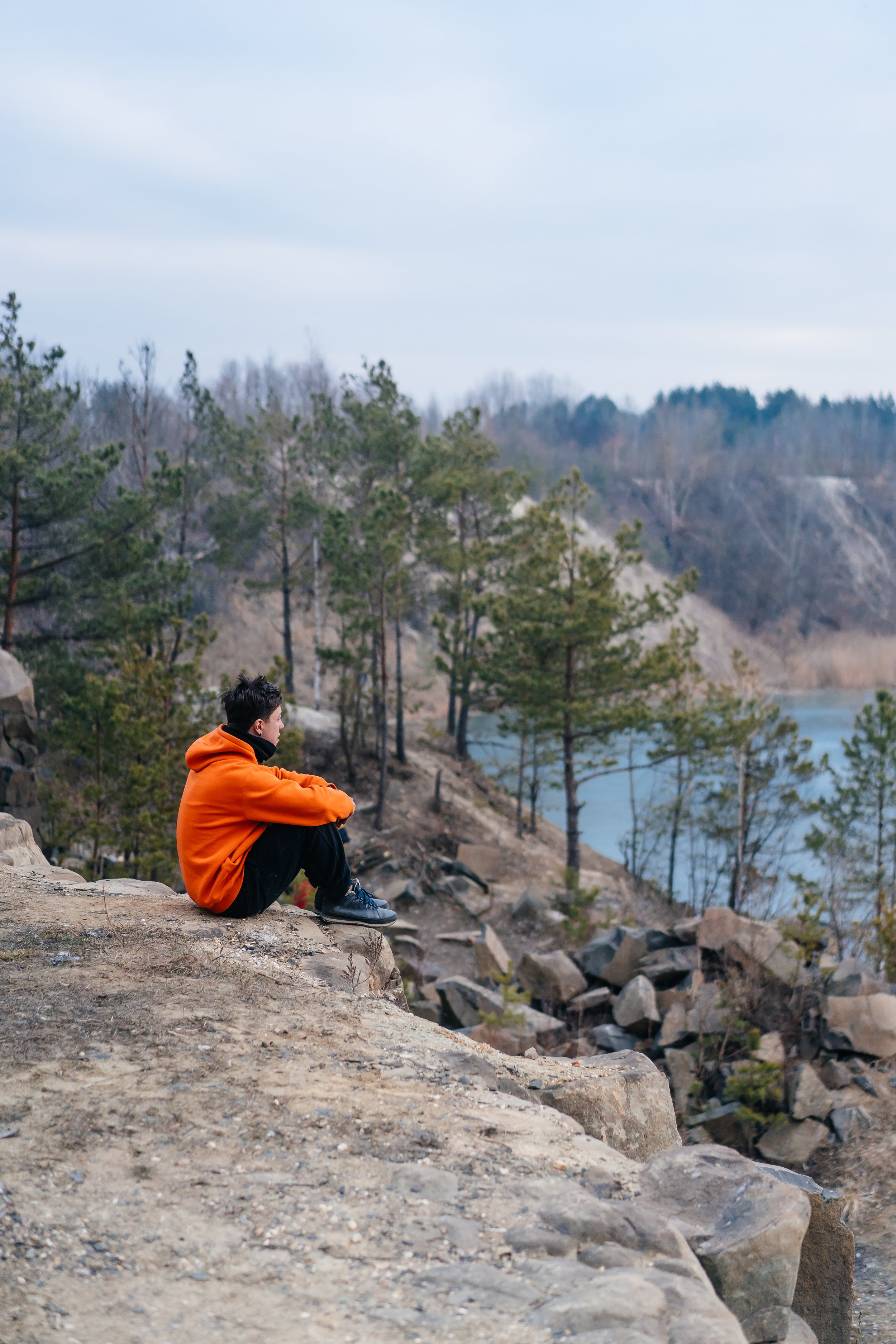


Loneliness Can Affect How You See Yourself
Long-term disconnection can create painful beliefs:
"Nobody really likes me."
"I'm awkward."
"I don't belong."
"Everyone else already has their people."
These beliefs can make reaching out feel increasingly risky.
Therapy can help you examine whether those beliefs accurately reflect your relationships or have developed through painful experiences, anxiety, or avoidance.

How Can Therapy Help With Social Isolation?
Therapy provides something isolation often removes: consistent human connection in a supportive environment.
You may work on:
Understanding why you've withdrawn
Addressing social anxiety
Challenging negative beliefs about yourself
Developing communication skills
Increasing confidence socially
Processing rejection or relational trauma
Building healthier relationships
Practicing vulnerability
Identifying opportunities for connection
Strengthening self-esteem
Managing depression or anxiety
Developing realistic social goals

Connection Doesn't Require Becoming an Extrovert
The goal isn't to transform your personality.
You don't need dozens of friends.
Meaningful connection can look very different from person to person.
Therapy can help you determine what kind of relationships you actually want and begin taking manageable steps toward creating them.

Therapy for Loneliness and Isolation at Lifepath Center
Lifepath Center provides individual therapy for social isolation, loneliness, anxiety, depression, trauma, relationship concerns, self-esteem, and life transitions.
We offer in-person therapy in Riverside and telehealth throughout California.

You Don't Have to Stay Disconnected
If you've been isolated for a long time, reaching out may feel uncomfortable.
You don't have to rebuild your entire social world overnight.
Connection can begin with one conversation.
Frequently Asked Questions
-
Yes. Therapy can help identify factors contributing to loneliness and address anxiety, avoidance, self-esteem, relationship patterns, grief, or other barriers to connection.
-
Isolation may temporarily protect you from anxiety, rejection, conflict, vulnerability, or emotional exhaustion. Over time, however, avoidance can contribute to greater loneliness.
-
Yes. Fear of judgment or embarrassment can lead people to avoid social situations even when they want connection.
-
You can begin therapy exactly where you are. Therapy can help you understand existing barriers and develop realistic steps toward building connection.
-
Yes. Lifepath Center provides individual therapy in Riverside and telehealth throughout California.