
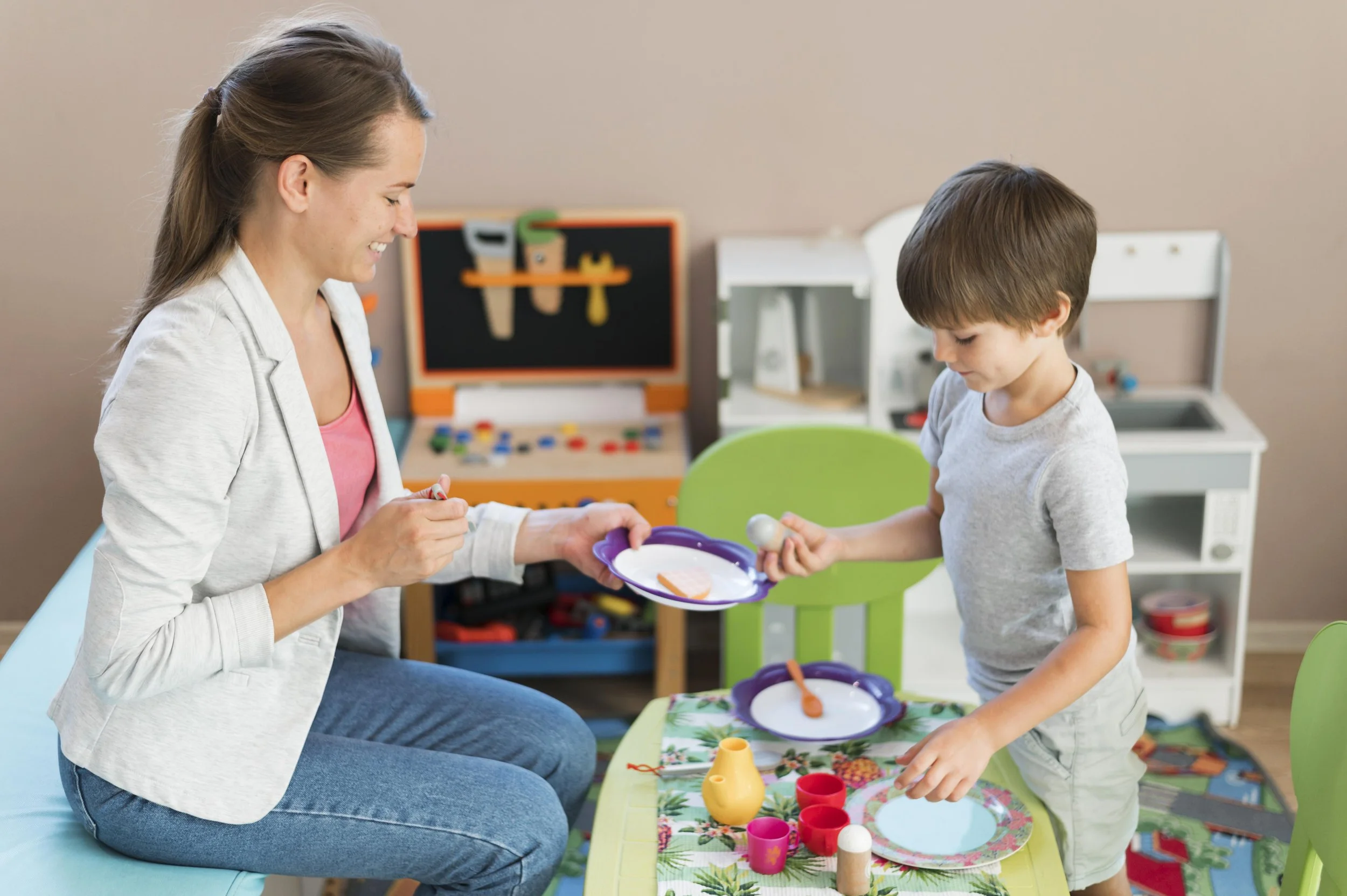
Play Therapy for Children in Riverside, CA

Children Do Not Always Have the Words for What They Feel
Adults often process difficult experiences through conversation.
Children may communicate differently.
A child may not walk into therapy and say:
"I've been feeling anxious since our family changed, and I don't know how to manage the uncertainty."
Instead, they may:
Have tantrums.
Withdraw.
Become clingy.
Act aggressively.
Stop sleeping well.
Complain of stomachaches.
Struggle at school.
Become afraid to separate from a caregiver.
Or repeatedly play out the same themes.
Play Therapy uses developmentally appropriate play, creativity, and therapeutic interaction to help children express emotions, process experiences, build coping skills, and communicate in ways that match their developmental level.
At Lifepath Center, appropriately trained therapists may use Play Therapy or play-based therapeutic techniques within individualized treatment for children.
We provide child therapy in Riverside, California, with telehealth services available throughout California when clinically and developmentally appropriate.
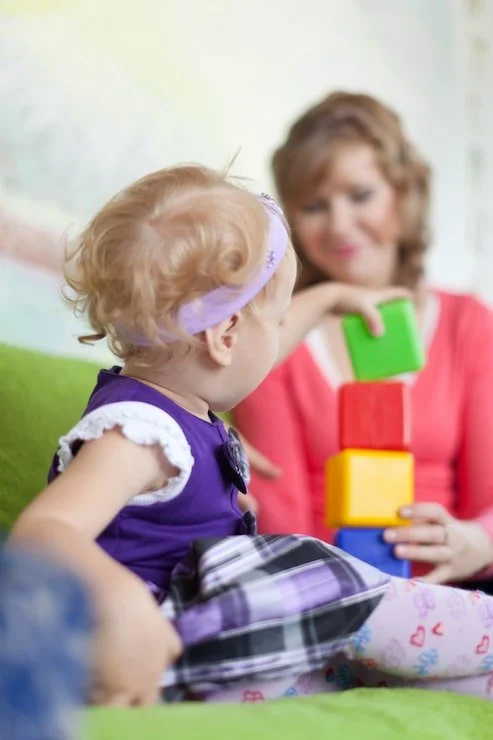
Why Is Play Important in Child Therapy?
Play is one of the primary ways children learn, communicate, explore relationships, and make meaning of their world.
Young children may experience complex emotions without having the vocabulary or cognitive development to explain them fully.
A child may know:
"Something feels bad."
without being able to say:
"I feel rejected and scared because my parents are arguing."
Play can provide another language.
Through play, children may communicate themes related to:
Safety
Fear
Control
Family relationships
Anger
Separation
Loss
Friendship
Power
Caregiving
Worry
Protection
Belonging
The therapist observes the child's play within the context of the child's overall presentation, development, family, and treatment goals.
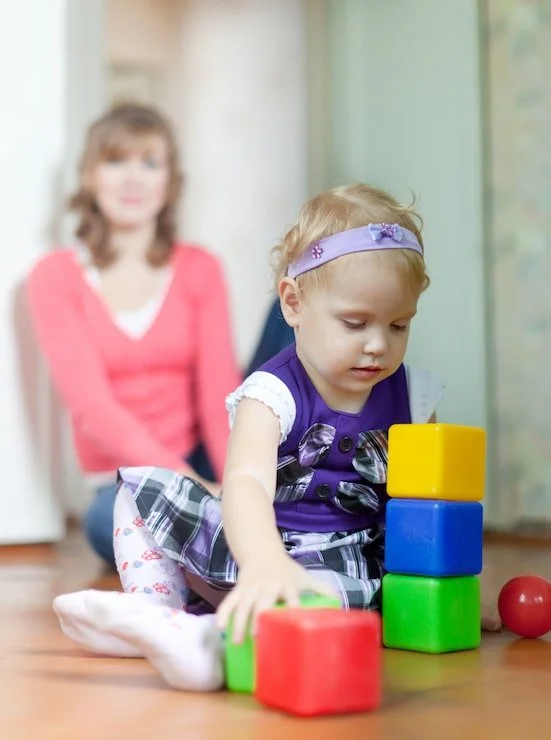

What Is Play Therapy?
Play Therapy is a broad term for therapeutic approaches that use play intentionally within the treatment process.
Depending on the therapist's training and orientation, treatment may be more:
Child-directed
Therapist-directed
Structured
Expressive
Cognitive-behavioral
Trauma-focused
Attachment-based
Family-oriented
Play Therapy is not simply allowing a child to play while the therapist watches.
Play and creative activities are used therapeutically to support emotional expression, assessment, relationship-building, coping skills, communication, and behavioral change.
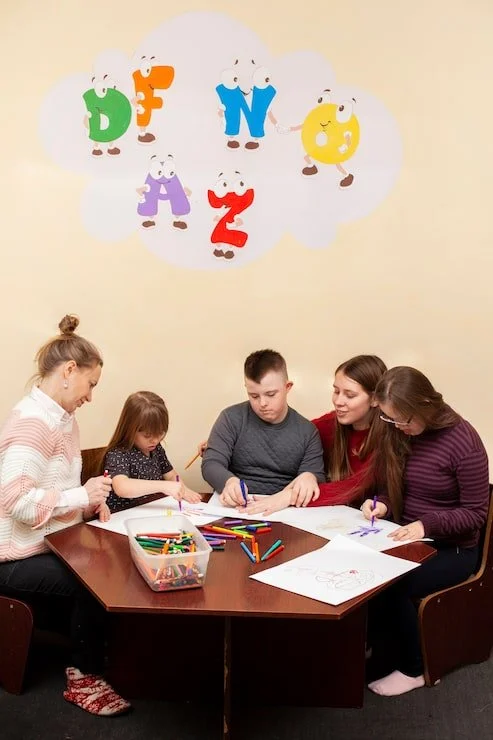
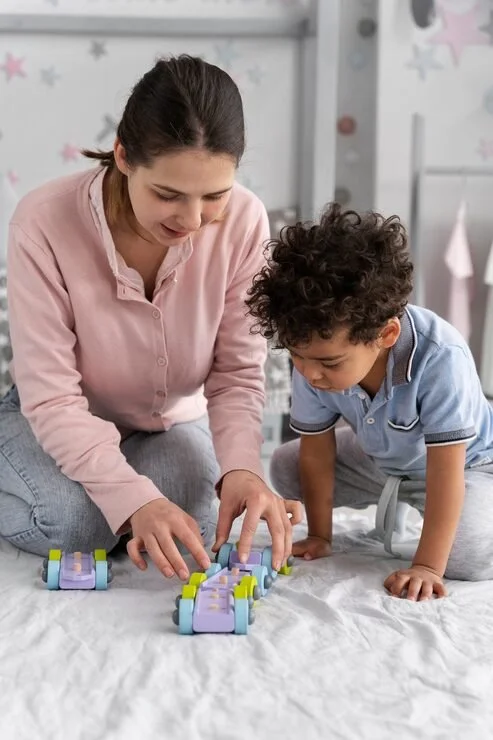
What Does a Play Therapy Room Look Like?
A therapeutic play space may contain developmentally appropriate materials such as:
Dolls or figures
Family figures
Animals
Art materials
Puppets
Games
Building toys
Miniature objects
Sensory materials
Books
Therapeutic activities
Different therapists use different materials based on their training and the child's needs.
What Happens During a Play Therapy Session?
Sessions can look very different depending on the child.
A therapist may allow the child to choose activities while observing themes and building the therapeutic relationship.
In other sessions, the therapist may introduce a specific activity designed to help the child:
Identify emotions
Practice coping
Build frustration tolerance
Learn problem-solving
Explore family relationships
Develop communication skills
Process a difficult experience
Strengthen self-esteem
Practice social skills
The therapeutic goal determines how play is used.

Child-Centered Play Therapy
Child-Centered Play Therapy is a specific approach influenced by person-centered therapy and the work of Virginia Axline and later play therapy theorists.
The therapist creates a structured, accepting therapeutic environment in which the child is given significant freedom to direct play.
The therapist may reflect:
Emotions
Actions
Themes
Choices
Experiences
The approach emphasizes the child's capacity for growth within a safe therapeutic relationship.
Therapists should represent their specific training accurately when using formal Play Therapy models.
Play-Based CBT
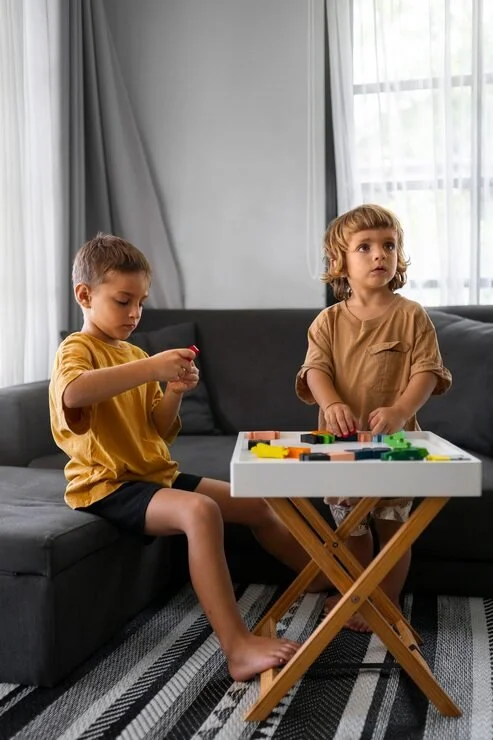
Play can also be integrated with Cognitive Behavioral Therapy.
A therapist might use:
Games to identify thoughts
Storytelling to explore anxiety
Art to identify feelings
Role-play to practice coping
Puppets to model communication
Visual tools to teach cognitive concepts
This can make structured therapeutic strategies easier for younger children to understand.

Play Therapy and Anxiety
Anxiety in children may appear as:
Frequent reassurance seeking
Separation difficulties
Avoidance
Irritability
Physical complaints
Worry
Sleep problems
Fear of new situations
School refusal
Emotional meltdowns
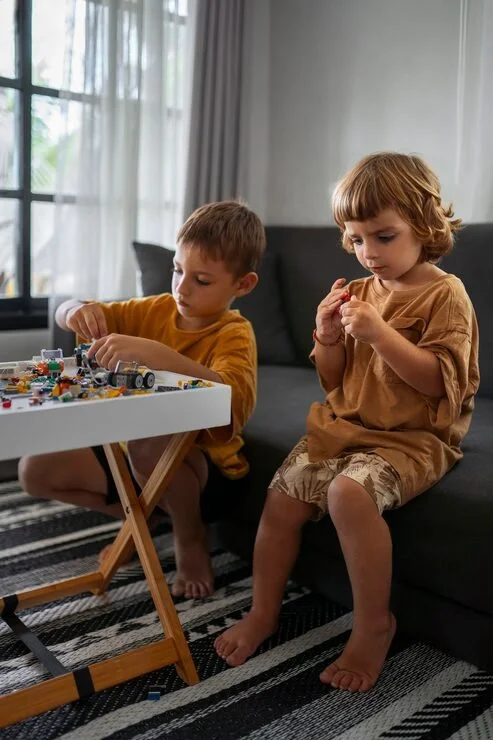
Play-based treatment may help children identify worry, develop coping skills, practice facing feared situations gradually, and communicate concerns they struggle to verbalize directly.
Play Therapy and Emotional Regulation
Some children experience emotions rapidly and intensely.
They may go from calm to screaming before adults understand what happened.
Therapy can help children learn:
Emotional vocabulary
Body cues
Calming skills
Problem-solving
Frustration tolerance
Ways to ask for help
Safer ways to express anger
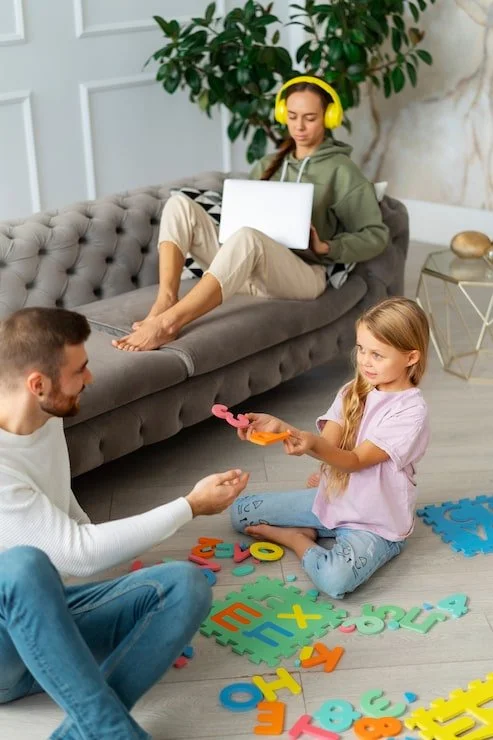
Play can make those concepts concrete.
Play Therapy and Trauma
Traumatic experiences may affect children's behavior, sleep, relationships, emotions, and sense of safety.
Play can sometimes provide a way for children to communicate experiences indirectly.
However, trauma treatment should not assume every play theme is a literal reenactment of trauma.
Appropriately trained therapists consider play within the broader clinical context.
Trauma-focused treatment may also incorporate structured approaches such as TF-CBT when appropriate.
Play Therapy and Grief
Children can grieve differently than adults.
A child may cry one moment and play happily shortly afterward.
This does not mean the loss has stopped affecting them.
Children often move in and out of grief.
Play-based therapy can provide opportunities to:
Express sadness
Ask questions
Process memories
Explore fears
Understand changes
Maintain connection with important memories
Develop coping strategies
Play Therapy and Family Changes
Children may benefit from therapeutic support when navigating:
Divorce
Separation
Remarriage
Blended families
Relocation
New siblings
Family conflict
Changes in caregiving
Parental illness
Other major transitions
Children may not understand why changes occurred even when adults believe they have explained them.
Therapy can provide a separate space to process the child's experience.

Play Therapy and Behavior Problems
Behavior is communication.
A child who is yelling, hitting, refusing, withdrawing, or acting impulsively may be expressing:
Overwhelm
Fear
Frustration
Unmet needs
Developmental difficulty
Anxiety
Trauma
Difficulty regulating emotions
Therapy does not excuse harmful behavior.
It helps understand what contributes to it so that more effective interventions can be developed.
Play Therapy and ADHD
Children with ADHD may struggle with:
Impulsivity
Frustration
Emotional regulation
Organization
Social difficulties
Following multi-step directions
Self-esteem
Play-based interventions can sometimes make therapeutic skills more engaging and developmentally appropriate.
ADHD treatment may also involve parent strategies, school collaboration when appropriate, behavioral interventions, and medical evaluation through an appropriate provider.
Play Therapy and Social Skills
Play naturally involves:
Taking turns
Negotiating
Handling frustration
Reading cues
Communicating
Problem-solving
Flexibility
Therapeutic games or role-playing activities may be used to practice social and emotional skills.
Does My Child Have to Talk?
Not necessarily in the same way an adult would.
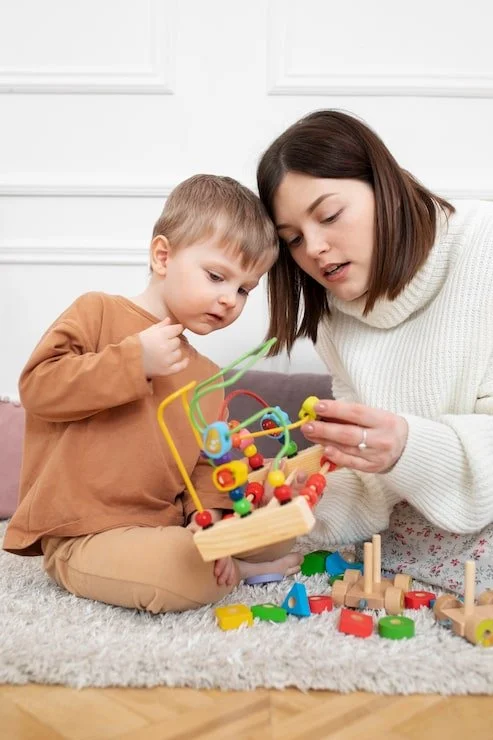
A child may talk while playing.
Or communicate through art.
Storytelling.
Movement.
Games.
Characters.
The therapist gradually develops an understanding of the child's emotional world using developmentally appropriate communication.
Older children and teens may use more traditional conversation while still benefiting from creative activities.
What Is the Parent's Role?
Parent and caregiver involvement can be extremely important.
Depending on the child's needs, the therapist may:
Gather developmental and family history
Provide parent consultation
Discuss behavioral strategies
Teach emotion coaching
Support routines and boundaries
Help parents understand child behavior
Collaborate on treatment goals
At the same time, children may need appropriate privacy within therapy.
Therapists should explain confidentiality and its limits to both caregivers and children.
Therapy Should Not Make the Child Feel Like "The Problem"
Children are highly sensitive to the messages adults send.
If therapy is framed as:
"You're going because you're bad."
the child may feel punished or defective.
A healthier message may be:
"You're going to have a place where someone can help you with big feelings and things that have been hard."
Therapy works best when children experience the therapist as supportive rather than disciplinary.
How Long Does Play Therapy Take?
There is no universal timeline.
Treatment length depends on:
Child's age
Developmental level
Symptoms
Family circumstances
Treatment goals
Trauma history
Progress
Frequency of sessions
Caregiver involvement
Some children benefit from short-term treatment.
Others may need longer support.
Play Therapy vs. Playing at Home
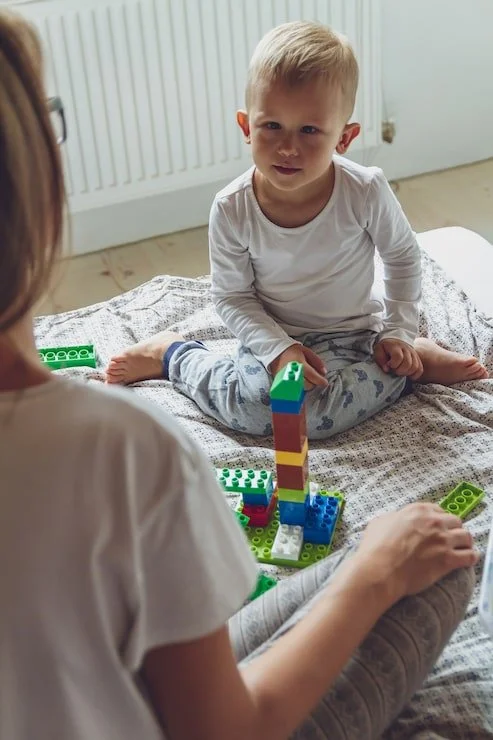
Play with caregivers is extremely important.
But therapeutic play differs because it occurs within a structured clinical relationship and is guided by assessment and treatment goals.
The therapist uses professional training to understand patterns, facilitate emotional expression, and introduce therapeutic interventions.
What Can Play Therapy Help With?
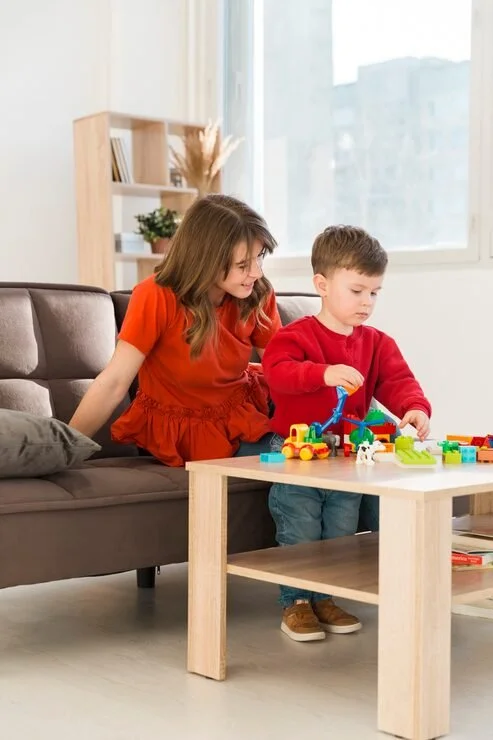
Play Therapy or play-based techniques may be incorporated for children experiencing:
Anxiety
Emotional dysregulation
Behavioral difficulties
Trauma
Grief
Family changes
Separation concerns
School stress
Social difficulties
Low self-esteem
Anger
Parenting or family conflict
Life transitions
Difficulty communicating emotions
Attachment-related concerns
A clinical assessment can help determine the appropriate treatment approach.
Play Therapy Techniques for Older Children
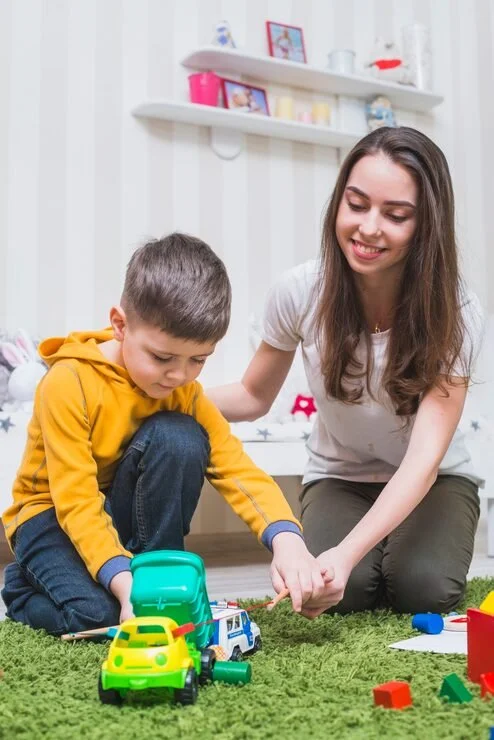
Play-based treatment is not limited to preschoolers.
School-age children may engage through:
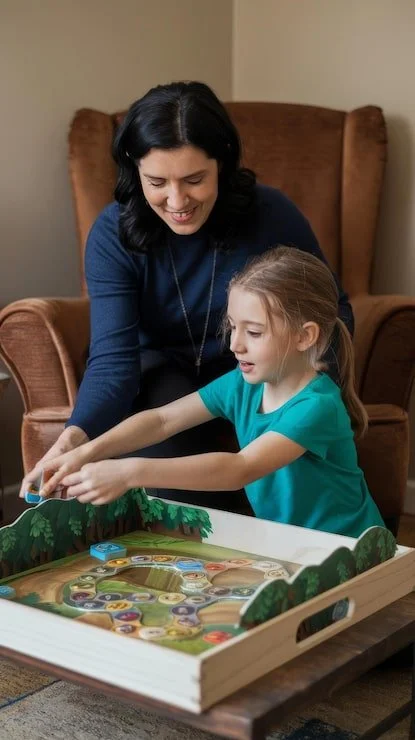
Board games
Art
Storytelling
Therapeutic cards
Role-play
Creative writing
Sand or miniature-based activities
Interactive emotional-regulation exercises
The form of treatment should match the child's developmental level and interests.
Play Therapy at Lifepath Center
Lifepath Center provides therapy for children, teens, adults, couples, and families.
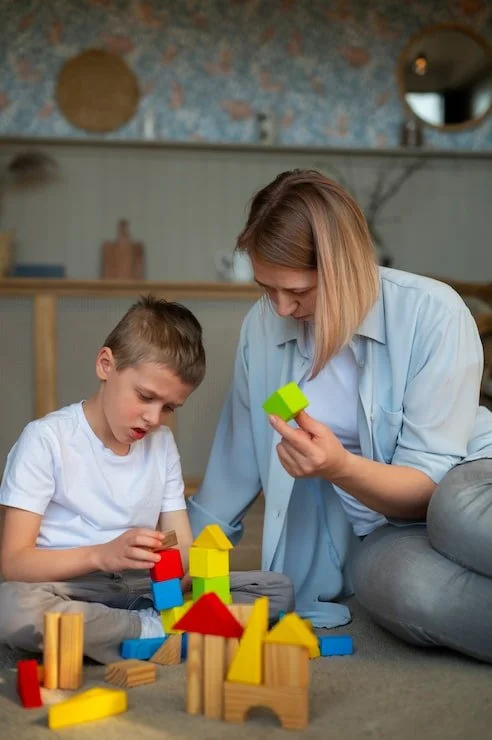
Appropriately trained clinicians may incorporate Play Therapy or play-based techniques alongside CBT, TF-CBT, family systems therapy, attachment-informed therapy, mindfulness, behavioral interventions, and trauma-informed care depending on the child's needs.
Play Therapy for Children in Riverside, California
Lifepath Center provides in-person child therapy in Riverside, CA.
Telehealth may also be available throughout California when appropriate for the child's age, attention, developmental needs, and treatment goals.
Parents do not always need to wait until a child's behavior becomes severe before seeking support.
Therapy can also help children adjust to transitions, build coping skills, strengthen confidence, and learn to communicate emotions more effectively.
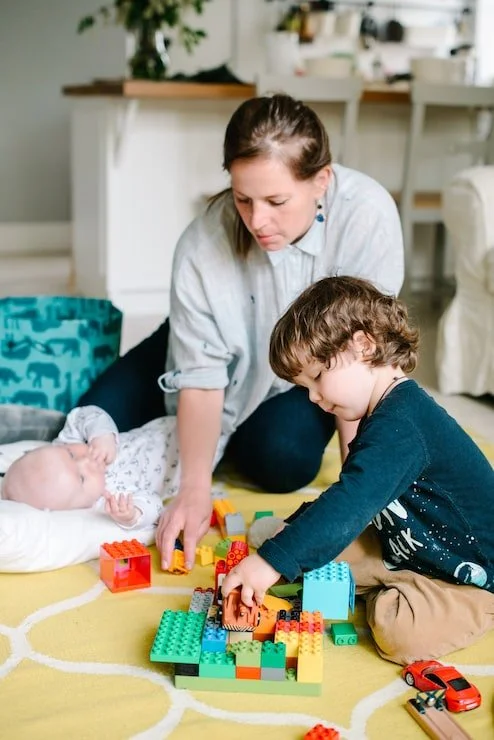
Sometimes Play Says What a Child Cannot Yet Put Into Words
A child may not be able to explain exactly why something hurts.
That does not mean they have nothing to say.
Play, behavior, creativity, and relationships can all communicate emotional experience.
Therapy can help children develop language for those experiences while learning healthier ways to cope, connect, and grow.
Contact Lifepath Center to learn more about Play Therapy and child therapy in Riverside, CA.
Frequently Asked Questions About Play Therapy
-
Play Therapy uses developmentally appropriate play and creative activities within psychotherapy to help children communicate emotions, develop coping skills, process experiences, and address behavioral or relational concerns.
-
Play Therapy is most commonly used with children, although developmentally appropriate play-based techniques may also be useful with older children and adolescents.
-
Not necessarily. Children may communicate through play, art, storytelling, games, movement, and conversation.
-
Yes. Play-based interventions may help children identify worries, practice coping strategies, increase emotional awareness, and gradually address avoidance when clinically appropriate.
-
Play-based interventions may be incorporated within trauma-informed treatment. Depending on the child's needs, more structured approaches such as TF-CBT may also be recommended.
-
Often, yes. Parent involvement may include assessment, consultation, parenting strategies, goal-setting, and progress discussions while preserving appropriate therapeutic privacy for the child.
-
Appropriately trained Lifepath Center therapists may incorporate Play Therapy or play-based therapeutic techniques based on the child's developmental needs and treatment goals.