

Person-Centered Therapy in Riverside, CA

Therapy Doesn't Always Have to Feel Like Someone Telling You How to Fix Yourself
Sometimes the most powerful part of therapy is having a place where you can speak freely without needing to protect anyone else's feelings.
You don't have to make the story sound better.
You don't have to perform.
You don't have to be the responsible one.
You don't have to know exactly what you need.
You can show up uncertain, angry, grieving, confused, anxious, hopeful, ashamed, or completely exhausted.
Person-Centered Therapy is a humanistic approach that places the therapeutic relationship, empathy, authenticity, and respect for the client's own capacity for growth at the center of treatment.
Rather than positioning the therapist as the expert on your life, person-centered work recognizes that you bring essential expertise about your experiences, values, relationships, and goals.
At Lifepath Center, person-centered principles may be incorporated throughout individualized therapy for children, teens, adults, couples, and families.
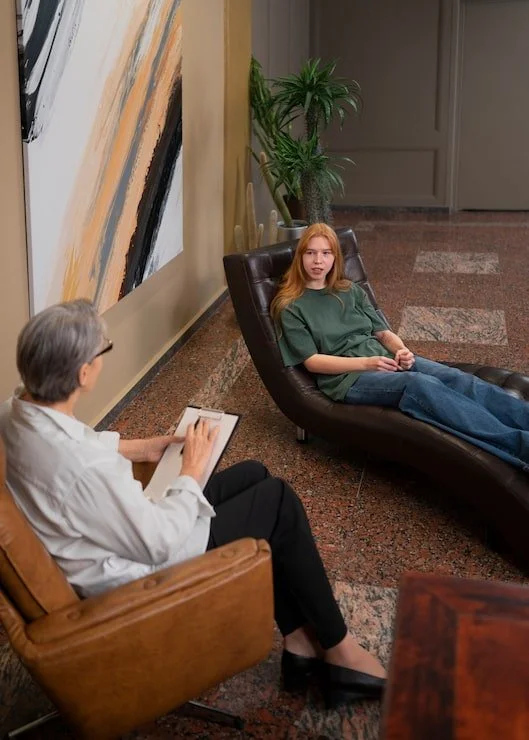
What Is Person-Centered Therapy?
Person-Centered Therapy was developed by psychologist Carl Rogers and was originally known as client-centered therapy.
Rogers proposed that people possess an inherent capacity for growth when they experience relationships characterized by psychological safety, acceptance, authenticity, and empathy.
The therapist's role is not simply to diagnose a problem and prescribe a personality change.
Instead, therapy creates a relationship in which clients can explore themselves more openly and begin making choices that feel more congruent with who they are.


The Three Core Conditions
Person-Centered Therapy is strongly associated with three core therapeutic conditions.
Empathy
Empathy means working to understand the client's experience from the client's perspective.
A therapist is not simply listening for symptoms.
They are trying to understand:
What does this feel like for you?
Feeling deeply understood can itself be significant, particularly for clients whose emotions have historically been minimized, criticized, or ignored.
Unconditional Positive Regard
Unconditional positive regard refers to accepting and valuing the client as a person even when they are struggling, conflicted, imperfect, or making choices they want to change.
This doesn't mean a therapist approves of every behavior.
It means the client's worth is not conditional on performing therapy perfectly.
Congruence
Congruence refers to therapist authenticity.
Rather than acting as a distant, blank authority figure, a person-centered therapist aims to be genuine and appropriately present within the therapeutic relationship.

What Does "You Are the Expert on Your Life" Actually Mean?
This phrase can sound simplistic.
Therapists still bring professional training.
They assess symptoms.
They may identify patterns.
They may provide clinical recommendations.
They may teach skills.
But no therapist knows your internal life better than you do.
Person-centered therapy respects that treatment works best when therapist expertise and client self-knowledge work together.

Why the Therapeutic Relationship Matters
Research across many forms of psychotherapy has repeatedly highlighted the importance of the therapeutic alliance—the relationship between therapist and client.
It can be difficult to explore shame, trauma, fear, identity, relationships, or deeply personal emotions when you don't feel emotionally safe with the person sitting across from you.
Person-centered therapy pays close attention to creating an environment where clients can become more honest.
Sometimes people discover that they have been editing themselves everywhere else.
Therapy may be the first place they say:
"I don't think I'm happy."
"I'm angry at someone I'm supposed to love."
"I don't know who I am anymore."
"I'm exhausted from being who everyone needs me to be."
Those conversations can matter.

Congruence: When Your Outside Life Doesn't Match Your Inside Experience
Person-centered theory uses the concept of congruence to describe alignment between a person's internal experience and external life.
Incongruence can occur when there is a significant gap between:
Who I really am
and
Who I believe I have to be.
For example:
You want rest but believe worthwhile people are always productive.
You want independence but believe your family will reject you.
You feel sad but believe you must always appear strong.
You have needs but believe good partners never inconvenience anyone.
Therapy can help explore these conflicts.

Conditions of Worth
People sometimes learn that acceptance seems conditional.
Perhaps you received the strongest approval when you were:
Successful
Quiet
Helpful
Thin
Agreeable
Responsible
High-achieving
Emotionally easy
Self-sufficient
Over time, you may develop internal rules:
"I am worthy when I achieve."
"I am lovable when I don't need anything."
"I am acceptable when everyone approves of me."
Person-centered therapy can help clients recognize these conditions of worth and develop a more stable sense of self.


What Can Person-Centered Therapy Help With?
Person-centered principles may be helpful when addressing:
Anxiety
Depression
Self-esteem
Identity concerns
Grief
Life transitions
Relationship difficulties
People-pleasing
Boundaries
Trauma
Shame
Emotional isolation
Stress
Personal growth
Difficulty expressing emotions
Perfectionism
Feeling lost or disconnected from oneself
Because person-centered therapy is highly individualized, it can also be integrated with more structured approaches.

Person-Centered Therapy and Identity
Identity exploration often requires an environment without pressure to arrive at a predetermined conclusion.
Therapy may provide space to explore:
Personal values
Gender
Sexuality
Culture
Relationships
Family roles
Career
Spirituality
Parenthood
Major life transitions
Who you are outside of achievement or caregiving
The therapist's role is to support exploration rather than decide who you should become.

Person-Centered Therapy and Self-Esteem
People with low self-esteem often evaluate themselves through someone else's eyes.
What will they think?
Will they approve?
Am I disappointing them?
Am I enough?
Therapy can help clients become more aware of their own values and internal experience rather than constantly outsourcing self-worth.

Person-Centered Therapy for Grief
Grief rarely follows a neat sequence.
A grieving person may feel sadness, anger, numbness, relief, guilt, resentment, love, confusion, or moments of joy.
Person-centered therapy provides room for grief without imposing a timeline for how someone is "supposed" to feel.
Person-Centered Therapy and Trauma
Trauma can involve experiences in which someone's autonomy, safety, voice, or sense of control was violated.
A person-centered stance can be particularly important in trauma treatment because it emphasizes collaboration, choice, emotional safety, and respect for the client's pace.
More specialized trauma interventions may also be incorporated when appropriate.
"We fight constantly."
It can.
A common misconception is that person-centered therapists simply sit silently and repeat the last sentence a client says.
Person-centered work may still involve:
Reflection
Clarification
Emotional exploration
Pattern recognition
Goal-setting
Feedback
Therapeutic challenge
Integration with skills-based interventions
The difference is that the therapist aims to remain collaborative and responsive to the client's experience.
What Happens in a Person-Centered Session?
Parents may feel overwhelmed by everything that isn't working.
A solution-focused approach might explore:
"When does bedtime go slightly better?"
"What is different on those nights?"
"When does your child respond well to redirection?"
"What are you doing that seems to help?"
These questions can help families identify patterns that deserve to be repeated.

Person-Centered Therapy Doesn't Mean "No Direction"
Respecting client autonomy doesn't mean the therapist can never provide guidance.
Good therapy can include both support and challenge.
A therapist may notice a pattern you haven't seen.
They may ask a difficult question.
They may recommend a coping strategy.
They may raise a concern about safety.
Person-centered principles influence how that work is done—collaboratively, respectfully, and with attention to your autonomy.

Person-Centered Therapy Can Be Integrated With Other Approaches
Many therapists use person-centered principles as the foundation of the therapeutic relationship while also incorporating structured interventions from other modalities.
For example, treatment might include:
Person-centered relationship + CBT strategies
Person-centered relationship + DBT skills
Person-centered relationship + ACT
Person-centered relationship + trauma-informed treatment
Person-centered relationship + solution-focused interventions
Person-centered relationship + attachment work
Therapy does not have to fit neatly inside one theoretical box.

Person-Centered Therapy at Lifepath Center
Lifepath Center provides individualized therapy rather than assuming that one approach fits every client.
Person-centered principles may help create the foundation for treatment while therapists integrate other therapeutic approaches based on clinical need, goals, and therapist training.
Person-Centered Therapy in Riverside, California
Lifepath Center provides in-person therapy in Riverside, California, and telehealth therapy throughout California.
Our therapists work with clients navigating anxiety, depression, trauma, relationships, grief, identity concerns, life transitions, parenting stress, self-esteem, and other emotional challenges.
You Don't Have to Become Someone Else to Deserve Support
Therapy isn't always about transforming yourself into a completely different person. Sometimes the work is learning to hear yourself more clearly.
Understanding what you need. Recognizing where you've been living according to someone else's expectations. And beginning to trust your own experience.
Contact Lifepath Center to learn more about Person-Centered Therapy in Riverside, CA and telehealth therapy throughout California.

Frequently Asked Questions About Person-Centered Therapy
-
Person-Centered Therapy is a humanistic approach developed by Carl Rogers that emphasizes empathy, acceptance, authenticity, client autonomy, and the therapeutic relationship.
-
Yes. Client-centered therapy is an earlier term commonly used for the approach now known as Person-Centered Therapy.
-
Person-centered therapists generally emphasize collaboration and client autonomy rather than simply telling clients what to do, although they may provide feedback, clinical recommendations, and interventions when appropriate.
-
Unconditional positive regard refers to accepting and valuing the client as a person without making their worth dependent on meeting certain expectations.
-
Yes. Its nonjudgmental and exploratory nature may be particularly useful for clients exploring identity, values, relationships, and major life transitions.
-
Yes. Many clinicians integrate person-centered principles with structured approaches such as CBT, DBT, ACT, trauma-focused treatment, and other modalities.
-
Lifepath Center therapists may incorporate Person-Centered Therapy principles based on their training and each client's individualized needs.