
When Mental Health Is an Emergency: What to Do, What to Say, and When to Get Help
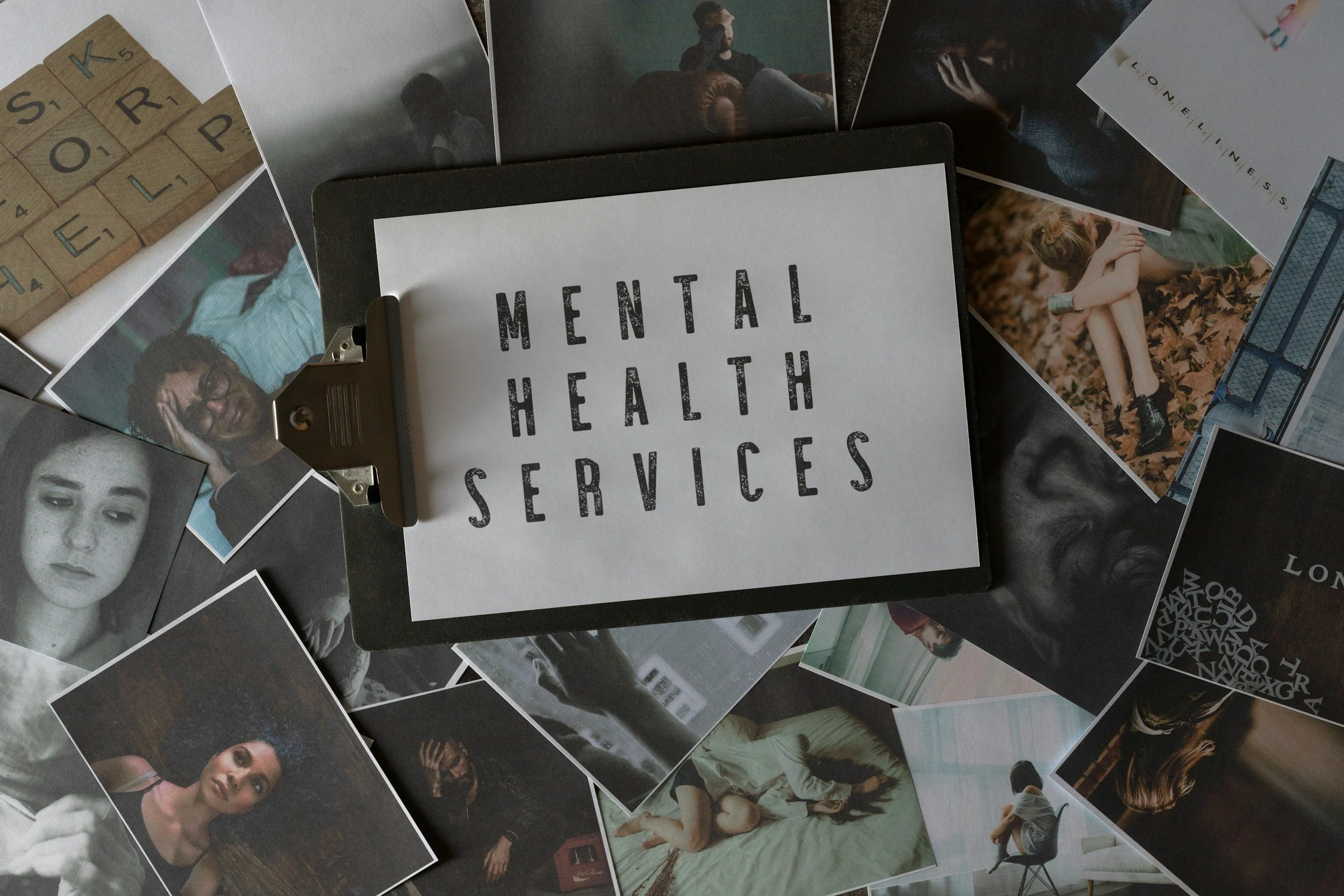
Mental Health Crisis Support in Riverside: Knowing When Someone Needs Immediate Help
Mental health emergencies don't always look dramatic. Sometimes they look like a person saying they can't do this anymore. Sometimes they look like confusion, withdrawal, reckless behavior, or a sudden change that tells you something isn't right. Knowing what to notice — and what to do next — can matter.
When someone you care about is struggling emotionally, it can be difficult to know whether they need a therapist, additional support from family and friends, urgent crisis intervention, or emergency medical care.
That uncertainty can be frightening.
You may wonder whether you're overreacting. You may worry that asking directly about suicide will somehow make things worse. Or you may know something is wrong but have absolutely no idea what you're supposed to say.
At Lifepath Center, we believe mental health education should include knowing what to do when someone's needs go beyond a regular therapy appointment. Whether you're in Riverside, Moreno Valley, Corona, or elsewhere in the Inland Empire, understanding the signs of a mental health crisis can help you respond more calmly and connect someone with the appropriate level of support.

What Is a Mental Health Emergency?
Not every difficult emotional moment is an emergency.
Someone can experience depression, anxiety, grief, panic attacks, trauma symptoms, or significant emotional distress without being in immediate danger. These experiences still deserve care and treatment, but they do not automatically require an emergency response.
A mental health situation becomes especially urgent when there is concern that a person may be unable to remain safe, may seriously harm themselves or someone else, or is experiencing symptoms that significantly interfere with their ability to understand or respond to what is happening around them.
Warning signs can include:
Talking about suicide, death, or wanting to disappear
Saying they have no reason to live or that others would be better off without them
Talking about seriously harming another person
Looking for or gaining access to a method of harming themselves or someone else
Recent suicide attempts or serious self-injury
Severe agitation, aggression, or behavior that is becoming increasingly dangerous
Extreme confusion or significant disorientation
Hallucinations, paranoia, or other symptoms accompanied by unsafe behavior or an inability to care for basic needs
Reckless or impulsive behavior creating an immediate safety concern
Severe intoxication or substance use combined with suicidal, violent, or highly unpredictable behavior
Suddenly giving away important possessions, saying goodbye, or making unexpected final arrangements
An abrupt and concerning behavioral change, particularly following a significant loss, crisis, or traumatic event
No single behavior automatically tells you what someone is experiencing. What matters is the overall situation, how significant the change is, and whether there is an immediate concern about safety.
Take Statements About Suicide Seriously
One of the most important things you can do is take statements about suicide seriously — even when you're unsure whether the person "really means it."
You don't need to determine whether someone meets a diagnosis or calculate exactly how much danger they're in before expressing concern.
You can ask directly:
"Are you thinking about suicide?"
"Are you thinking about hurting yourself?"
"Do you feel like you can keep yourself safe right now?"
Asking someone directly about suicide does not plant the idea in their mind. Instead, a clear question can give someone permission to talk honestly about something they may have been afraid to say out loud.
If the person tells you they are in immediate danger, has attempted suicide, has taken an overdose, has a plan they intend to act on, or cannot remain safe, seek emergency assistance rather than trying to manage the situation by yourself.
Changes in Behavior Can Be Important
Sometimes the first indication of a crisis isn't something a person says.
It's something that changes.
Someone who normally talks to you every day suddenly disappears. A person who has been depressed becomes increasingly reckless. Someone stops sleeping for several nights and becomes progressively more confused or agitated. Another person stops eating, showering, taking necessary medication, or responding to the people around them.
Changes worth paying attention to can include:
Significant withdrawal from friends and family
Major changes in sleep
Suddenly neglecting hygiene or basic needs
Increased alcohol or drug use
Increasing agitation or irritability
Uncharacteristic risk-taking
Dramatic changes in functioning
Increasing hopelessness
Difficulty distinguishing what is real
Behavior that feels significantly different from the person's usual baseline
These signs don't necessarily mean an emergency is occurring. They do mean it's worth checking in rather than assuming everything is fine.

How to Talk to Someone You're Worried About
You don't need perfect words.
In fact, trying to deliver the perfect speech can make an already uncomfortable conversation feel even harder.
Start with what you've actually noticed.
You might say:
"I've noticed you haven't seemed like yourself lately, and I'm worried about you."
"You don't have to explain everything to me, but I want you to know I'm here."
"What would feel most helpful right now?"
"I'm concerned about your safety. Are you thinking about hurting yourself?"
"I can stay with you while we figure out what to do next."
Then listen.
Try to resist immediately arguing with their feelings, lecturing them, or telling them all the reasons they shouldn't feel the way they do.
Statements like "You have so much to be grateful for" or "Other people have it worse" may be well intentioned, but they can leave someone feeling even more misunderstood.
You don't have to solve someone's entire life to help them through one dangerous moment.
Sometimes the most helpful thing you can offer is calm presence while you connect them with additional support.
What to Do During a Mental Health Crisis
Your response should depend on how immediate the danger appears to be.
If someone is distressed but able to remain safe, encourage them to connect with appropriate mental health support. That might include their therapist, psychiatrist, primary care provider, crisis services, or another trusted healthcare professional.
If you're uncertain about the seriousness of the situation, crisis services can help assess what level of support may be appropriate.
In the United States, the 988 Suicide & Crisis Lifeline is available by calling or texting 988 for people experiencing suicidal crisis or emotional distress.
If someone has already seriously injured themselves, taken an overdose, is experiencing a medical emergency, or there is an immediate threat to someone's life, seek emergency medical assistance.
Do not put yourself in physical danger while attempting to intervene.
Mental Health Crises Can Look Different From Person to Person
There isn't one diagnosis associated with mental health emergencies.
A crisis can occur in the context of severe depression, trauma, bipolar disorder, psychotic disorders, substance use, overwhelming grief, relationship loss, major life changes, or many other circumstances.
Sometimes there isn't an established mental health diagnosis at all.
This is one reason trying to diagnose someone during a crisis isn't particularly useful.
The immediate questions are simpler:
Are they safe?
Can they keep themselves safe?
Do they need additional help right now?
Diagnosis and long-term treatment planning can come later.
Crisis Care and Therapy Serve Different Purposes
Emergency mental health services focus primarily on immediate stabilization and safety.
Therapy has a different role.
Once immediate danger has passed, ongoing therapy can help someone understand what contributed to the crisis and develop strategies for managing the underlying issues.
Depending on someone's needs, therapy may address:
Chronic stress
Coping and problem-solving skills
Treatment may include approaches such as Cognitive Behavioral Therapy (CBT), Dialectical Behavior Therapy (DBT)-informed interventions, trauma-informed therapy, mindfulness-based approaches, and other evidence-informed treatments based on the individual's needs.
A therapist can also work with someone to identify personal warning signs, coping strategies, supportive people, and resources they can turn to when symptoms begin escalating.
Finding Mental Health Support in Riverside
Living in Riverside and the Inland Empire comes with its own stressors. Long commutes, financial pressure, caregiving responsibilities, relationship difficulties, work demands, and the general pace of Southern California life can leave people carrying more than others realize.
Sometimes people keep functioning through significant emotional distress until something finally becomes too difficult to manage alone.
You don't have to wait for that point before seeking therapy.
Lifepath Center provides mental health therapy in Riverside as well as telehealth services for clients throughout California. Our therapists work with children, teens, adults, couples, and families experiencing a wide range of mental health concerns.
Therapy can be appropriate long before something becomes an emergency.
Know Where to Turn Before You Need It
When someone you love is in crisis, figuring out where to call shouldn't be the hardest part.
For suicidal crisis or emotional distress in the United States, the 988 Suicide & Crisis Lifeline can be reached by calling or texting 988.
If there is an immediate life-threatening emergency, serious injury, overdose, or another situation requiring emergency medical intervention, seek emergency assistance.
For ongoing concerns that aren't an immediate emergency, connecting with a therapist or other mental health professional can provide a place to understand what's happening before things escalate.
Pay attention when someone you care about starts behaving differently.
Ask the uncomfortable question.
Listen to the answer.
And remember that getting someone additional help isn't an overreaction when you're genuinely concerned about their safety.
Sometimes showing up means listening.
Sometimes it means helping someone make an appointment.
And sometimes it means recognizing that the situation has become bigger than what friends and family should try to handle alone.