
Perinatal Mental Health in Riverside: Anxiety and Depression During Pregnancy and Postpartum

Understanding anxiety, depression, intrusive thoughts, and emotional changes during pregnancy and postpartum
Pregnancy and new parenthood can bring joy, love, anxiety, exhaustion, sadness, and uncertainty — sometimes all at once. Struggling emotionally during this season doesn't mean you're doing anything wrong.
Pregnancy and the postpartum period involve enormous changes. Your body changes. Your sleep changes. Relationships and routines shift. Suddenly, you're responsible for another person while trying to adjust to a version of life that may feel completely unfamiliar.
For some people, those changes also bring significant anxiety, depression, intrusive thoughts, guilt, or emotional overwhelm.
If you're looking for perinatal mental health therapy in Riverside, you may be wondering whether what you're experiencing is a normal adjustment or something you should talk about with a professional.
At Lifepath Center in Riverside, therapy can provide a supportive place to make sense of these emotions without judgment.
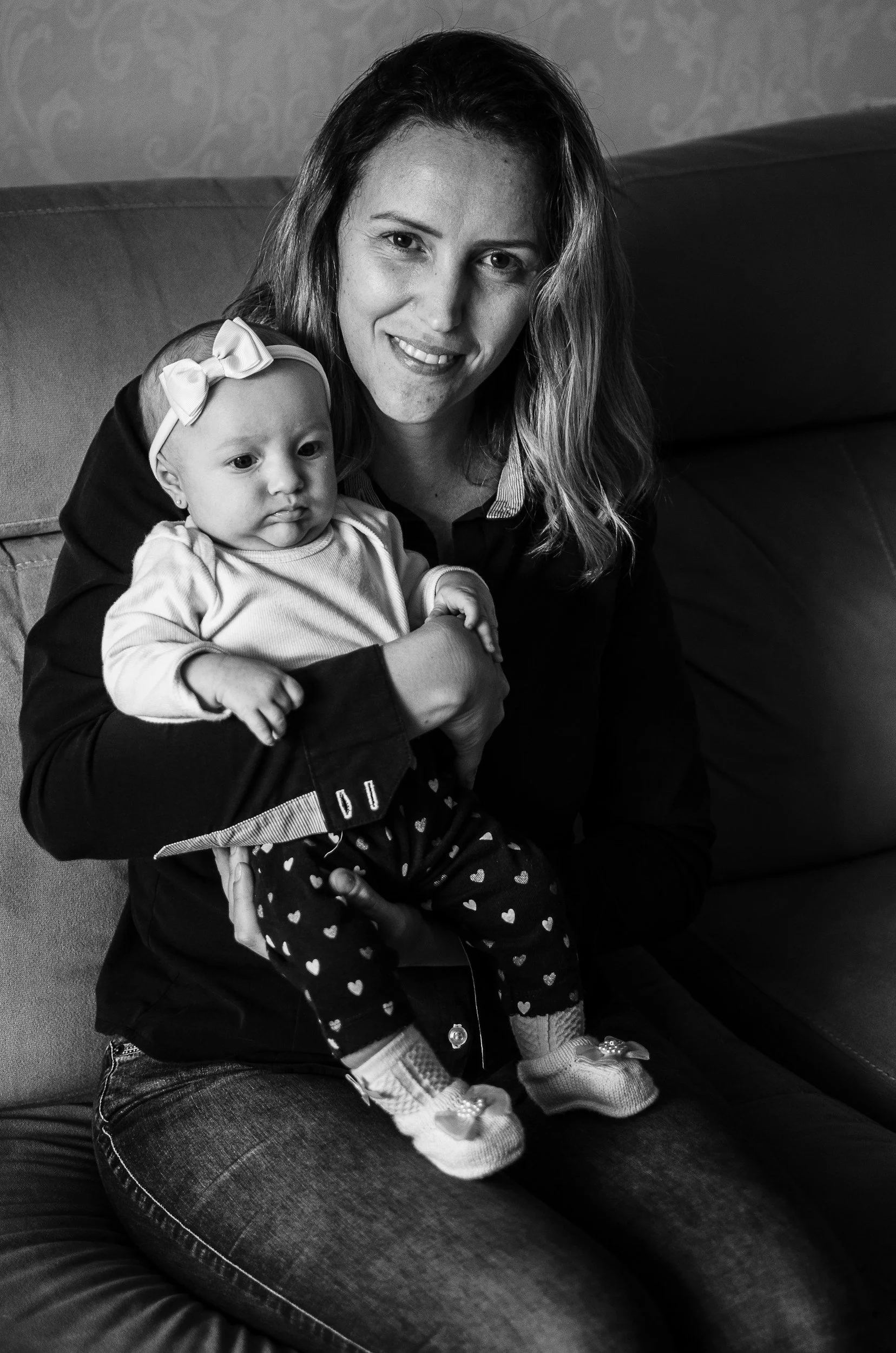
Perinatal Mental Health Doesn't Always Look Like Depression
Emotional difficulties during pregnancy and postpartum can appear in many different ways.
You may notice:
Constant or difficult-to-control worry
Racing thoughts
Persistent sadness or frequent crying
Irritability or feeling easily overwhelmed
Guilt or feeling like you're not a good enough parent
Difficulty sleeping even when you have an opportunity to rest
Feeling disconnected from yourself or your baby
Intrusive or frightening thoughts
Changes in appetite
Feeling unlike yourself
Experiencing a difficult day doesn't automatically mean you have a mental health condition.
What matters is how persistent, intense, or disruptive the symptoms have become.
Anxiety During Pregnancy and Postpartum
Becoming a parent naturally comes with uncertainty.
You may worry about pregnancy, childbirth, your baby's health, whether you're doing things correctly, or how your life and relationships are changing.
But sometimes worry stops feeling manageable.
You might repeatedly check whether your baby is breathing, imagine frightening situations, struggle to relax, or find that your mind continues racing even when everything around you is okay.
Intrusive thoughts can be particularly upsetting.
Having an unwanted or frightening thought does not automatically mean you want that thought to happen. But when intrusive thoughts are frequent, distressing, or interfering with your ability to function, talking with a mental health professional can help.
Baby Blues or Postpartum Depression?
Many people experience emotional changes shortly after giving birth.
The commonly called “baby blues” may include crying, irritability, sadness, anxiety, difficulty sleeping, or feeling overwhelmed. These symptoms typically improve within several days to about two weeks.
Postpartum depression is different.
You may experience more persistent sadness, anxiety, hopelessness, guilt, exhaustion, difficulty functioning, or feeling disconnected from yourself or your baby. Perinatal depression can occur during pregnancy or after childbirth and is treatable.
You don't have to wait until you're completely overwhelmed before deciding that you deserve support.
Make Support and Self-Care Realistic
“Take care of yourself” can sound almost ridiculous when you're exhausted and caring for a baby.
Self-care during this period doesn't need to mean an entire afternoon at a spa.
It might mean:
Eating an actual meal
Taking a short walk
Asking someone to watch the baby while you rest
Calling a friend
Accepting help with errands
Spending a few minutes doing something that feels familiar
Talking openly about how you're actually doing
Social support matters too.
A partner, family member, friend, therapist, parenting group, or another parent can help make this transition feel less isolating.

What Therapy for Perinatal Mental Health Actually Involves
You don't have to arrive at therapy knowing whether you're experiencing postpartum depression, anxiety, adjustment difficulties, or something else.
Therapy can begin with:
“I don't feel like myself lately.”
Depending on your needs, therapy may help with:
Anxiety and excessive worry
Depression and low mood
Intrusive thoughts
Emotional regulation
Adjustment to pregnancy or parenthood
Relationship and identity changes
Coping skills and stress management
Creating realistic support systems
Therapy can provide a space where you don't have to pretend that everything about pregnancy or parenthood feels wonderful.
Know When Symptoms Require Immediate Help
Postpartum psychosis is rare, but it is a serious psychiatric emergency.
Symptoms can include hallucinations, delusions, severe confusion, paranoia, dramatically altered mood or behavior, or losing contact with reality.
If you or someone you know is experiencing these symptoms—particularly thoughts or behaviors involving harm to themselves or a baby—seek immediate emergency medical care.
This is different from ordinary postpartum worry and requires urgent evaluation and treatment.
You Don't Have to Wait Until You're in Crisis
Maybe you're caring for your baby, going to appointments, answering messages, and doing everything you're “supposed” to do.
But underneath it, you're exhausted, anxious, disconnected, or wondering why becoming a parent doesn't feel the way you expected.
That's enough reason to talk to someone.
At Lifepath Center in Riverside, California, therapy can provide a supportive and nonjudgmental space for people experiencing anxiety, depression, intrusive thoughts, emotional overwhelm, and adjustment difficulties during pregnancy and postpartum.
You don't have to know exactly what's wrong before reaching out.
Sometimes the starting point is simply:
“This has been harder than I expected, and I could use some support.”