
Anxiety Therapy in Riverside: How to Calm an Overactive Mind
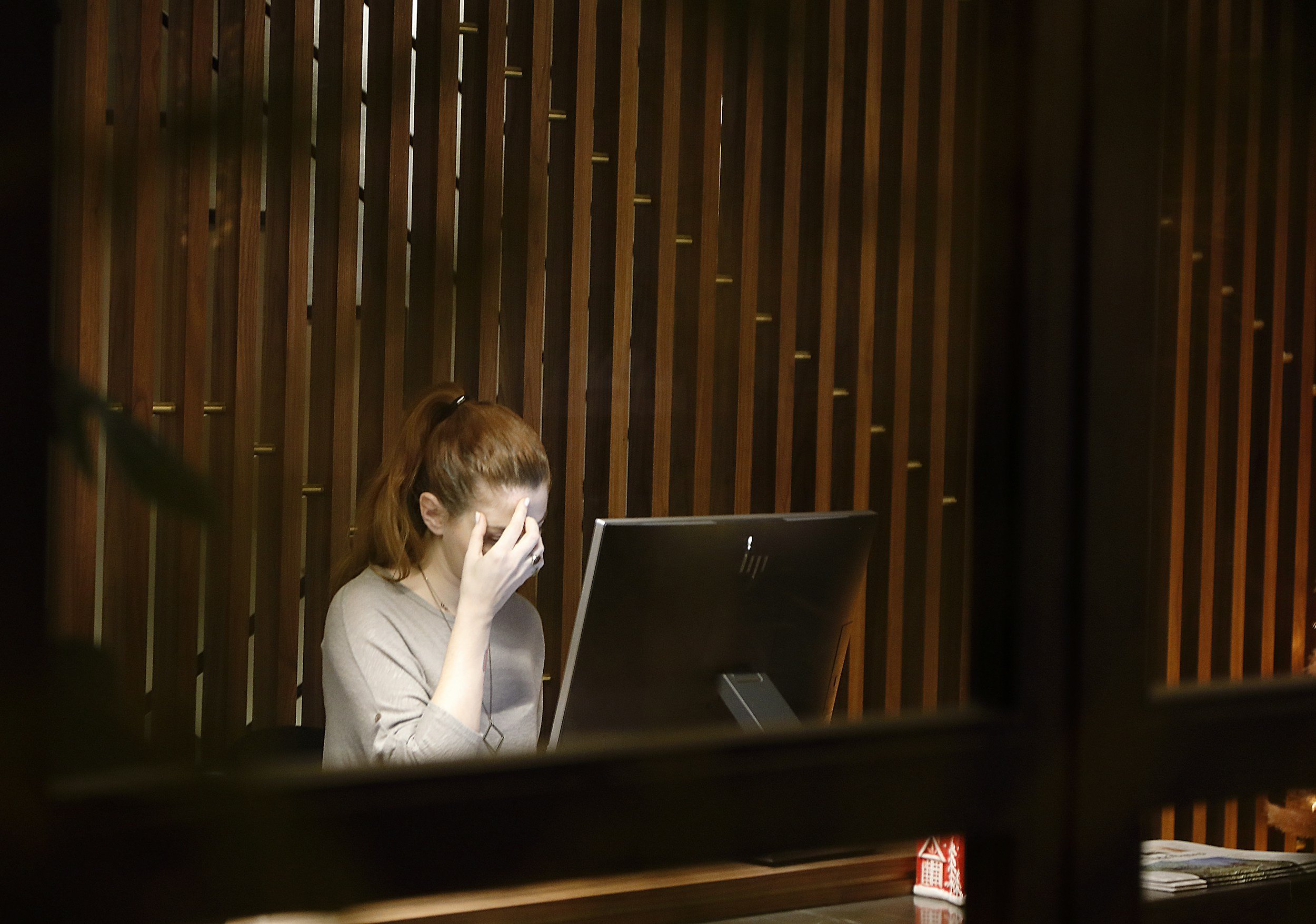
Simple ways to recognize anxiety, calm your nervous system, and feel more in control
Anxiety can make everything feel urgent — even when nothing is actually wrong in the moment. Learning to recognize what your mind and body are doing can help you respond differently.
If you've been searching for anxiety therapy in Riverside, you may already know what it feels like when your mind simply won't slow down.
You may replay conversations, worry about things that haven't happened, feel tense for no obvious reason, or constantly prepare for the next problem. Add work, relationships, traffic, finances, family responsibilities, and nonstop notifications, and your nervous system can start to feel like it never gets a break.
At Lifepath Center in Riverside, we help people understand anxiety as more than “overthinking.” Anxiety can affect your thoughts, body, sleep, relationships, and ability to feel present in everyday life.

Learn to Recognize Anxiety Earlier
One of the most helpful anxiety-management skills is learning to notice it before it reaches its peak.
Anxiety may show up as:
A racing heart
Tightness in your chest or stomach
Shallow or rapid breathing
Muscle tension
Restlessness
Irritability
Difficulty concentrating
Feeling like something bad is about to happen
Replaying the same thoughts repeatedly
At first, you may only notice anxiety once you're already overwhelmed.
With practice, you can begin recognizing the earlier signals.
That gives you more time to respond instead of feeling like anxiety is suddenly taking over.
Notice the Thought Without Automatically Following It
An anxious thought can feel like a fact.
What if I mess this up?
What if something happens?
What if they are upset with me?
What if I can't handle it?
Instead of immediately trying to solve every anxious possibility, practice noticing the thought.
You might tell yourself:
“I'm having an anxious thought right now. I don't have to solve it this second.”
Creating even a small amount of distance between yourself and the thought can help you decide what actually requires your attention.
Not every thought your anxiety produces requires an answer.
Focus on What You Can Control
Anxiety loves uncertainty.
Unfortunately, life contains plenty of it.
You cannot control how someone else responds, what will happen months from now, whether traffic will be terrible tomorrow, or every unexpected problem that may appear.
You can control how you prepare, what boundaries you set, how you communicate, and what you choose to do next.
When anxiety starts pulling you toward every possible future problem, ask:
“What is actually within my control today?”
Sometimes the answer is surprisingly small.
Send the email.
Make the appointment.
Take the next step.
Then allow tomorrow's problem to belong to tomorrow.
Give Your Nervous System a Chance to Slow Down
Anxiety isn't only happening in your thoughts.
Your body may be reacting as though danger is present even when you're physically safe.
Simple coping strategies can help signal that the immediate threat has passed:
Slow your breathing
Step away from overstimulating environments
Take a short walk
Stretch tense muscles
Reduce caffeine if it increases your symptoms
Silence unnecessary notifications
Practice grounding techniques
Create periods of the day without screens
The goal isn't to make anxiety disappear instantly.
It's to help your body move from high alert toward a more manageable state.
Anxiety in Riverside and the Inland Empire
Daily life in Riverside can already feel fast.
Long commutes on the 91 or 60, demanding schedules, financial pressure, caregiving responsibilities, and trying to fit everything into the same 24 hours can create a constant background level of stress.
When you're already carrying that stress, even a relatively small problem can feel much bigger.
Sometimes anxiety isn't about one dramatic event.
It's the accumulation of dozens of smaller pressures your nervous system hasn't had time to recover from.
What Therapy for Anxiety Actually Involves
Therapy can help you understand what triggers your anxiety and develop strategies that work beyond simply telling yourself to “calm down.”
Depending on your needs, therapy may include:
Cognitive Behavioral Therapy (CBT) — identifying anxious thought patterns and developing more balanced responses
Mindfulness-based therapy — learning to observe thoughts without immediately reacting to them
Exposure-based strategies — gradually reducing avoidance when fear has started limiting your life
Somatic approaches — recognizing and regulating the physical experience of anxiety
Practical coping skills — developing tools for worry, panic, stress, sleep, and emotional regulation
Therapy can also help determine whether anxiety is connected to trauma, relationships, major life changes, work stress, or another mental health concern.

You Don't Have to Wait for Anxiety to Become Unmanageable
You don't need to be having panic attacks or avoiding your entire life before asking for help.
Maybe you're functioning.
You're going to work, answering messages, caring for everyone else, and getting through the week.
But inside, your mind rarely feels quiet.
That's enough.
At Lifepath Center in Riverside, therapy can help you better understand anxiety, develop coping tools, and create more room for the parts of your life that anxiety has been crowding out.
The goal isn't to never feel anxious again.
It's to know that when anxiety shows up, you have tools to handle it.