

Caregiver Stress & Burnout Therapy in Riverside, CA
When Everyone Depends on You
Being a caregiver can be an expression of extraordinary love.
It can also be exhausting.
You may be caring for an aging parent, spouse, child, family member with a disability, or someone experiencing physical or mental health challenges.
Your days may revolve around appointments, medications, transportation, finances, meals, household responsibilities, emergencies, and emotional support.
Eventually, your own needs can disappear from the list.
At Lifepath Center, we provide therapy in Riverside for caregivers experiencing stress, burnout, anxiety, guilt, grief, resentment, and emotional exhaustion.
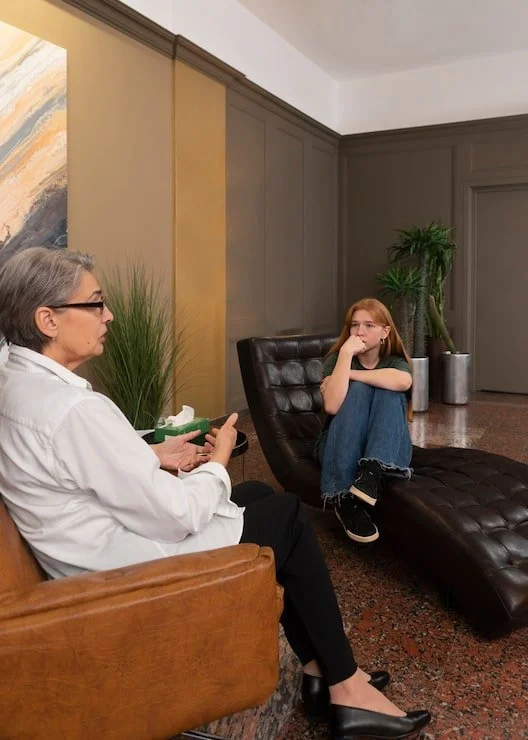

Signs of Caregiver Stress
Caregiver stress may include:
Constant exhaustion
Feeling emotionally depleted
Irritability
Anxiety
Difficulty sleeping
Feeling responsible for everything
Difficulty asking for help
Feeling guilty taking time for yourself
Losing interest in activities
Social isolation
Relationship strain
Difficulty concentrating
Feeling trapped
Resentment followed by guilt
Anticipatory grief
Neglecting your own needs

The Complicated Emotions of Caregiving
Caregiving can involve contradictory emotions.
You can love someone and feel frustrated with them.
You can willingly care for someone and wish you had more freedom.
You can feel grateful they're alive while grieving how your relationship has changed.
You can desperately need a break and then feel guilty when you take one.
These emotions can coexist.
Therapy provides a confidential place to discuss feelings that may be difficult to say anywhere else.



Caregiver Guilt
Many caregivers operate according to an impossible rule:
"If I can do more, I should."
But there is almost always more that could theoretically be done.
Without boundaries, caregiving can expand until it consumes nearly every part of life.
Therapy can help you distinguish between caring for someone and believing you must personally meet every need.

How Can Therapy Help Caregivers?
Therapy may help you:
Process complicated emotions
Establish realistic boundaries
Reduce caregiver guilt
Manage anxiety and stress
Identify burnout
Improve communication with family members
Ask for help
Navigate family conflict
Process grief and anticipatory grief
Maintain relationships outside caregiving
Reconnect with your own identity
Develop sustainable self-care
Recognize what is and isn't within your control

Taking Care of Yourself Isn't Abandoning Them
Caregivers often hear that they need "self-care."
When you're overwhelmed, that phrase can sound painfully simplistic.
You may not need another bubble bath.
You may need boundaries.
Support.
Permission to acknowledge resentment.
Help communicating with family.
Space to grieve.
And somewhere you can admit that this is hard without worrying about how it sounds.

Caregiver Therapy at Lifepath Center
Lifepath Center provides individual therapy for caregiver stress, burnout, anxiety, depression, grief, family conflict, boundaries, and life transitions.
We offer in-person therapy in Riverside and secure telehealth throughout California.

The Caregiver Needs Care, Too
Supporting someone you love shouldn't require disappearing from your own life.
Therapy can help you find ways to continue caring while making room for your emotional needs, relationships, identity, and well-being.
Frequently Asked Questions
-
Caregiver burnout generally describes physical and emotional exhaustion that can develop when caregiving demands exceed a person's available resources for a prolonged period.
-
Caregivers can experience frustration or resentment alongside love and concern. These feelings may signal exhaustion, unmet needs, grief, or insufficient support.
-
Yes. Therapy can help caregivers examine unrealistic expectations, establish boundaries, process guilt, and develop more sustainable approaches to caregiving.
-
Long-term caregiving stress can affect emotional well-being and may contribute to symptoms of anxiety, depression, burnout, or social isolation.
-
Yes. Lifepath Center offers individual therapy in Riverside and telehealth throughout California.